Discover Muldrow Roofer for Roofing Repairs
Discover Muldrow Roofer for Roofing Repairs
Blog Article
Trusted Roofing Contractor Solutions for Durable and Reliable Roofing Solutions
A reputable roofing contractor plays an vital role in guaranteeing the durability and reliability of a home's roof. Property owners must consider multiple elements when choosing a roof specialist. By understanding roof types to evaluating contractors' qualifications, each component leads to an effective job. Yet, many property owners stay uncertain about where to begin. Identifying the right approach can greatly impact both aesthetics and financial security. What steps should one take to work through this intricate procedure?
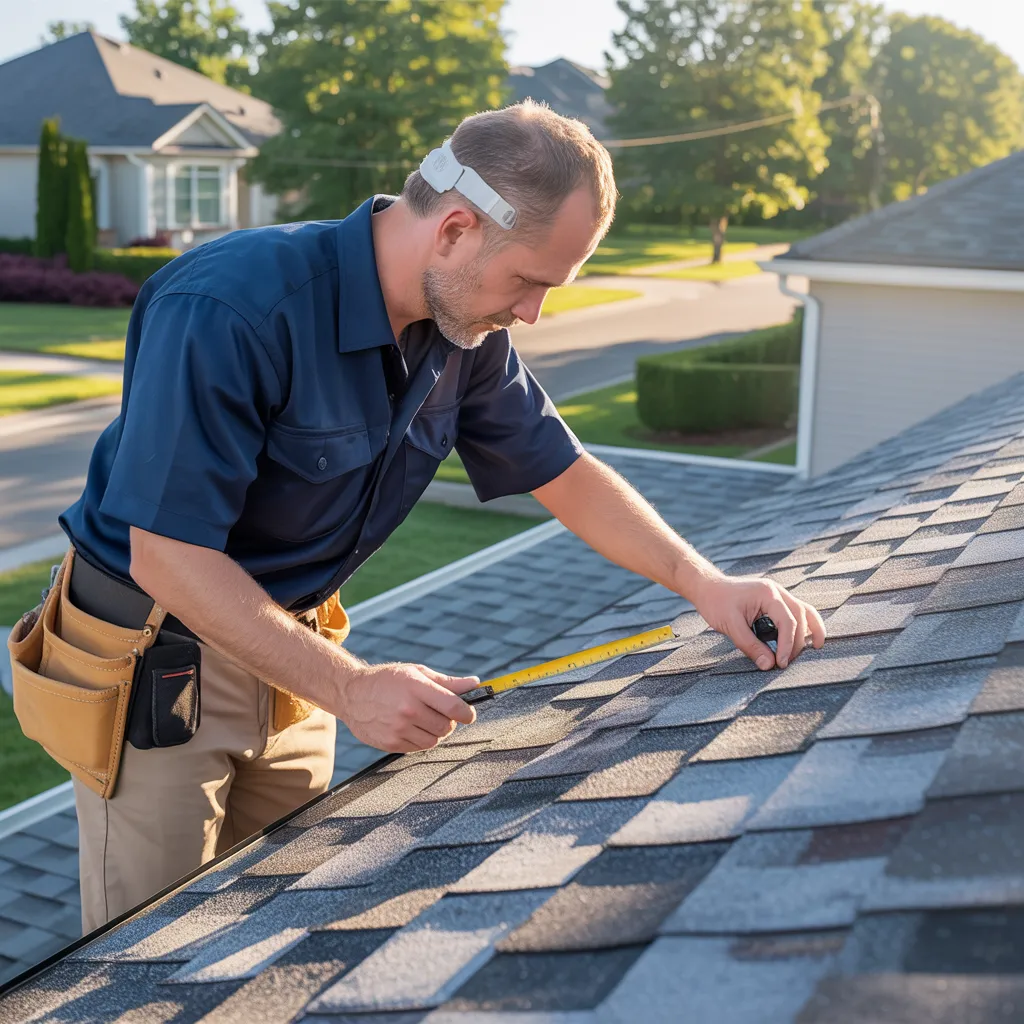
Things to Evaluate When Choosing a Reputable Roofer
When choosing a trusted roofer, what key characteristics should one focus on? First, experience is crucial; an experienced roofer with years of work demonstrates reliability and skill. It's important to verify their licensing and insurance, as this safeguards homeowners from possible risks. Moreover, a reputable roofer should offer warranties on both materials and workmanship, demonstrating assurance in their services.
Another key factor is communication. A dependable roofing specialist should be responsive and transparent, presenting thorough quotes and schedules. Reviews and references from previous clients can supply insights into their reliability and standard of work. Moreover, understanding building codes and rules is necessary, as following guarantees safety and legality. Finally, a commitment to selecting quality materials shows a roofer's resolve to enduring results. By prioritizing these crucial qualities, property owners can make sound choices when choosing a roofing contractor.
Which Roofing Possibilities Are Correct for You?
Deciding on the correct roofing choice can be a challenging process, as multiple materials and designs cater to various preferences and needs. Homeowners have to consider elements including climate, cost constraints, and visual design when selecting a roofing system. Asphalt roof shingles are sought after for their low price and ease of installation, proving appropriate for many residential homes. Metal roofs, known for its durability and energy efficiency, attracts those in pursuit of longevity.
For those wanting a timeless look, wood shakes or tiles present natural beauty but may require more upkeep. Slate and clay tiles provide exceptional longevity and are ideal for upscale homes, although they can be more expensive.
In the end, the perfect roofing choice relies on personal situations, such as local building codes and personal desires. Talking to a dependable roofer can help homeowners consider these options, ensuring they select a roofing system that addresses their specific needs while improving the overall value of their property.
The Significance of Quality Roofing Materials
Identifying the right roof alternative is only the beginning; the quality of roof materials plays a significant role in the overall performance and endurance of a roof. High-quality materials, such as asphalt shingles, metal, or slate, provide optimized durability and fortification to environmental factors. They can cope with extreme weather conditions, curtailing the frequency of repairs and replacements.
Investing in high-quality materials can generate greater energy efficiency, as they often offer improved insulation properties. This not only contributes to ease within the home but can also minimize energy bills over time. Additionally, quality materials typically come with extended warranties, offering homeowners peace of mind regarding their investment. Picking quality roofing materials ultimately secures that a roof remains operational and aesthetically pleasing for years, protecting the property's value. Therefore, understanding the significance of material selection is vital for anyone considering a roofing project.
Evaluating Your Roofing Contractor's Qualifications
A thorough evaluation of a roofing contractor's credentials is important for ensuring a accomplished roofing project. Homeowners should initiate by authenticating licenses and insurance to shield themselves from responsibility in case of accidents. Looking into for industry certifications can also indicate a contractor's commitment to quality and progressive education in roofing techniques and materials.
Also, reviewing previous projects and customer testimonials provides insight into the contractor's work quality and reliability. It is advisable to request references and to connect with with previous clients about their experiences. Likewise, appreciating the contractor's warranty framework can shed light on their assurance in their work and the materials incorporated.
At last, considering the contractor's experience in the particular kind of roofing required can additionally guide homeowners in making an well-informed decision. By thoroughly evaluating these credentials, homeowners can choose a trustworthy contractor and ensure a long-lasting roofing solution.
How to Budget for Your Roofing Project
Creating a financial plan for a roofing project requires careful planning and evaluation of various factors that influence overall costs. Homeowners should begin by determining the type of roofing materials desired, as prices can vary greatly between asphalt shingles, metal roofs, and tiles. Labor costs also play an essential role; obtaining multiple quotes from licensed contractors can help ensure competitive pricing.
Furthermore, it is crucial to consider potential unexpected expenses, such as repairs to underlying structures or the need for permits. A contingency fund of roughly 10-20% of the total budget is advisable to cover learn the details these unforeseen costs. Homeowners should also consider the timing of their undertaking, as seasonal fluctuations can impact workforce availability and material costs. By carefully estimating these elements, people can create a realistic budget that accommodates both essential costs and any additional features they may want to incorporate in their roofing project.
Consistent inspections Are fundamental
Regular inspections are crucial in extending the lifespan of a new roof. Conducting these assessments at least twice a year helps detect potential issues before they worsen. Experienced professionals can examine the roof's condition, checking for signs of wear, tear, or damage caused by environmental factors. Additionally, monitoring gutters and downspouts maintains proper drainage, which is necessary for preventing water accumulation. Homeowners should also plan for seasonal inspections, especially after severe weather events. By conducting regular inspections, property owners can preserve their roofs efficiently, making sure they remain durable and reliable over time. This proactive approach not only enhances the roof's longevity but also safeguards the overall integrity of the home.
Prompt Fixes Avoid Harm
With scheduled inspections, without delay addressing necessary repairs is vital for maintaining a new roof's integrity. Roofs face wear from different environmental factors, and even minor issues can turn into significant damage if they go unattended. Quick repairs can prevent leaks, mold growth, and structural deterioration, thereby extending the roof's lifespan. Homeowners should prioritize fixing loose shingles, damaged flashing, or clogged gutters as soon as these are found. In addition, seasonal weather changes may worsen existing problems, making timely interventions even more essential. By ensuring swift repairs, homeowners not only safeguard their investment but also improve the overall safety and comfort of their living spaces. Routine maintenance combined with prompt action is the key to a reliable roofing solution.
Frequently Requested Questions
What Timeframe is Needed for a Standard Roofing Project to be Finished?
A common roof job typically needs roughly one to three weeks to finish. Elements influencing the timeframe include the project's magnitude, weather patterns, and the difficulty of the roofing structure being installed or repaired.
Which Guarantees Can You Access for Roofing Work?
Various coverage plans are offered for roofing services, such as material warranties, workmanship warranties, and extended coverage options. These warranties typically span five to twenty years, depending on the materials and contractor agreements involved in the project.
Can I continue living in My Home During Roof Installation?
Homeowners can often remain in their homes during roof installation, but it relies on the project's scale and noise levels. Contractors typically advise on comfort and safety, recommending temporary relocation if necessary.
What Role Do Weather Conditions Have in Roofing Work?
Weather factors greatly impact roofing work; rain can create delays and safety hazards, while extreme heat may affect materials. Wind can hinder installation, demanding careful consideration to ensure quality and safety during the process.
What Should I Do if I Find Leaks After Setup?
After discovering leaks following installation, the homeowner should promptly contact the roofing contractor for an inspection. Documenting the issue with photos and notes can aid in fixing the problem effectively and confirm proper repairs.
Report this page